Learn Fashion Design With INSD Ahmedabad
Learn from Industry Experts – One of the Best Designing Institute in India
At INSD Ahmedabad , we believe in design’s core values and strive to assist budding designers realize their visions by providing them with the tools they need to bring their ideas to life.
Fashion Courses
Become A Fashion Designer
Top Fashion Designing Institute in Ahmedabad. We Provide Online / Offline Fashion Designing Courses with Guaranteed 100% Placement Assistance
DISCOVER YOUR OWN PATH
MULTISKILLED
SPECIALISATIONS
Compare, Select & Apply for the Courses
What Makes Us
Unique?
U.G.C Recognised Degree and Diploma courses
Curriculum Created by Industry Experts
Well Qualified Trainers
Industry Specific Internship
Placement Assistance
WI-FI Enabled Campus
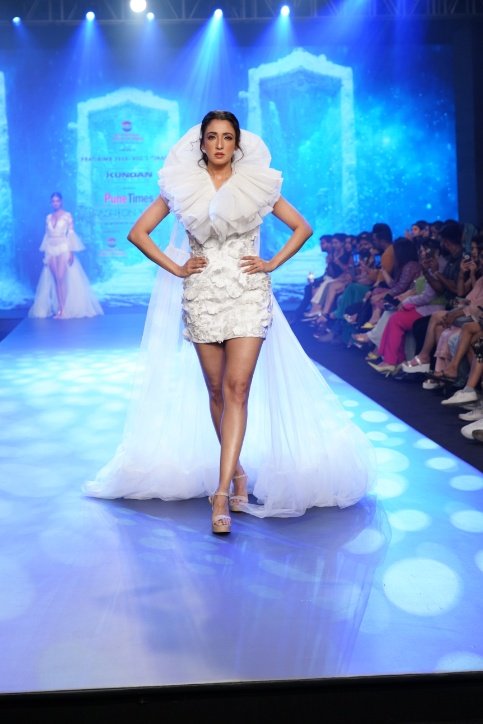
Our Student’s
Work


We Work Together to Improve your Learning Experience here!
Testimonials


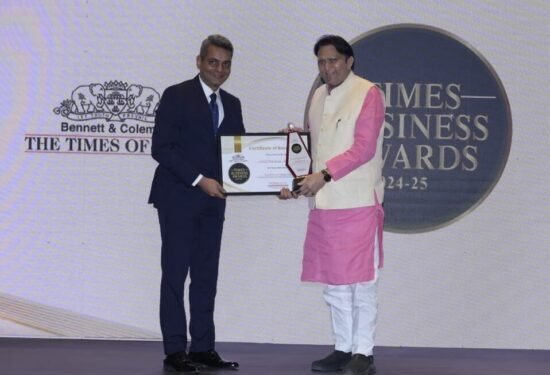
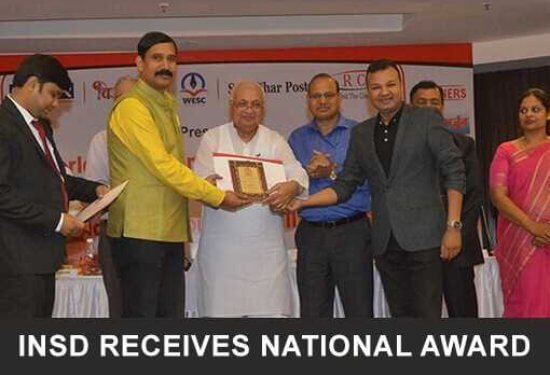
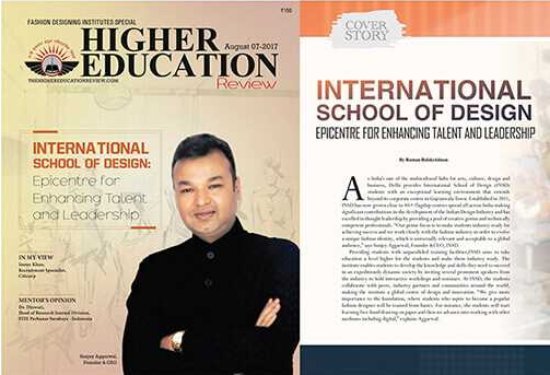
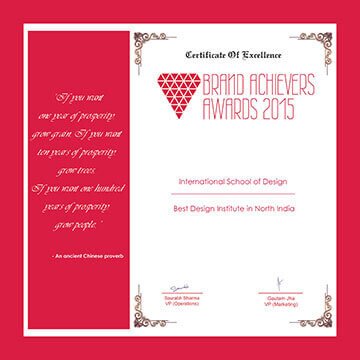
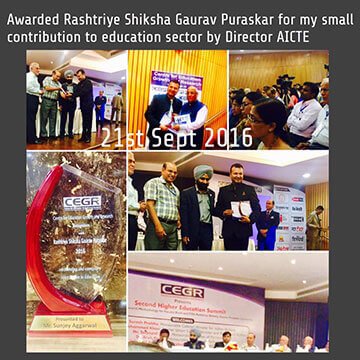
INSD in the Spotlight


FAQ's
Most fashion designing courses after 12th require candidates to have completed their higher secondary education (12th grade) in any stream, although a background in arts can be beneficial. Some institutes may also conduct entrance exams or interviews as part of their admission process. Additionally, students should have a passion for creativity and design, as well as an interest in the fashion industry.
When choosing a fashion designing course near you, consider factors such as the course curriculum, duration, and certification offered. Evaluate the faculty’s qualifications and industry experience, as well as the availability of internships or practical training opportunities. Additionally, assess the institute’s location, facilities, and student support services to ensure it meets your educational and career goals.
A fashion designer course typically includes modules such as fashion illustration, pattern making, garment construction, textile science, and fashion history. Students also learn about fashion marketing, trend analysis, and digital design tools. Many programs incorporate practical projects, internships, and workshops with industry professionals to provide hands-on experience and enhance design skills.
A fashion school typically offers a variety of programs, including diploma courses, bachelor’s degrees, and master’s degrees in fashion design, fashion merchandising, fashion marketing, and textile design. Students can also find specialized courses in areas like fashion styling, sustainable fashion, and accessory design. These programs often combine theoretical knowledge with practical training, allowing students to develop a comprehensive understanding of the fashion industry.
An institute of fashion designing typically offers a range of programs, including diploma courses, bachelor’s degrees, and certificate programs in fashion design. These programs cover essential subjects such as fashion illustration, garment construction, textile science, fashion marketing, and trend analysis. Many institutes also provide specialized courses in areas like sustainable fashion, fashion merchandising, and styling, equipping students with the skills needed for diverse roles in the fashion industry.
When choosing a fashion designing institute near you, consider factors such as the course curriculum, duration, and certification offered. Evaluate the qualifications and industry experience of the faculty, as well as the availability of hands-on training opportunities, internships, and workshops. Additionally, assess the institute’s location, facilities, student support services, and placement records to ensure it aligns with your educational and career goals.
After completing a diploma in fashion designing, graduates can pursue various entry-level positions in the fashion industry, such as fashion designer, assistant designer, fashion stylist, or merchandise coordinator. The diploma provides essential skills for roles in retail management, visual merchandising, and costume design for theater and film. Additionally, graduates may choose to further their studies with a bachelor’s degree in fashion design or related fields to expand their career opportunities.
Obtaining a fashion designer certificate can enhance your career prospects by equipping you with specific skills and knowledge sought by employers in the fashion industry. It demonstrates your commitment to the field and can help you stand out in a competitive job market. Additionally, a certificate can serve as a stepping stone for further education, allowing you to pursue advanced degrees in fashion design or related areas, or it can help you transition into entry-level roles such as assistant designer or stylist.
A Bachelor in Fashion Design program typically includes a comprehensive curriculum covering various aspects of fashion, such as design principles, garment construction, textile science, fashion illustration, and marketing. Students engage in hands-on projects, workshops, and internships that provide practical experience in designing clothing and accessories. The program also often includes courses on fashion history, trend forecasting, and sustainability in fashion.
There are several types of courses in fashion designing, including diploma programs, bachelor’s degree programs (such as B.Des or B.A. in Fashion Design), and certificate courses. These programs cover various aspects of fashion design, such as pattern making, textile studies, fashion illustration, and fashion marketing. Additionally, many institutes offer specialized courses focusing on specific areas like sustainable fashion, costume design, or fashion merchandising.